
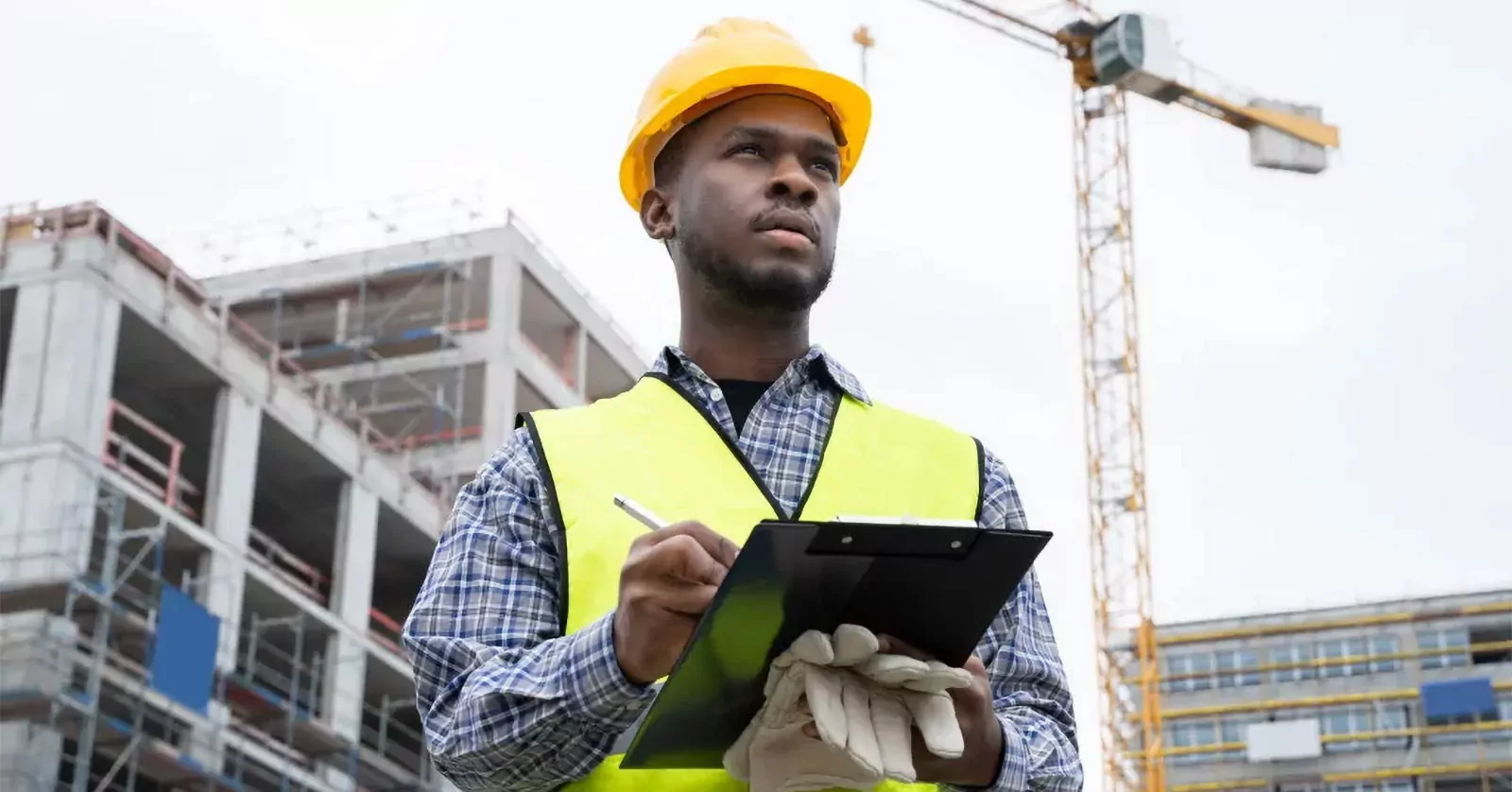

Construction is the cornerstone of human civilization, an enduring testament to our capacity to build, innovate, and create. It is more than the simple act of erecting structures; it is a dynamic field that intersects with engineering, design, technology, and even culture. From the ancient pyramids to today’s soaring skyscrapers, the art of construction has evolved dramatically, reflecting changes in society, technology, and our collective aspirations. This article explores the significance of construction, the various stages involved in the process, the evolution of construction technologies, and the growing emphasis on sustainability in the modern era.
The Significance of Construction in Society
Construction is foundational to the development of societies and economies. It provides the physical infrastructure upon which everything else depends—homes, schools, hospitals, roads, bridges, and commercial spaces. Without construction, there would be no urbanization, no institutions of learning, no places to work, and no spaces for social interaction. Essentially, construction is the backbone of a functioning society, shaping the very spaces in which we live, work, and interact.
Beyond the practical function, the buildings and infrastructure we construct carry cultural and symbolic weight. Take, for example, iconic landmarks like the Eiffel Tower in Paris or the Taj Mahal in India. These constructions serve as both cultural symbols and significant tourist attractions, contributing to national pride and the global recognition of the regions in which they reside. Likewise, modern urban landscapes are often defined by their construction—by the architectural and engineering feats that make up their skylines, transportation systems, and residential areas. In this sense, construction helps define the identity of a city or a country.
The Stages of Construction: From Vision to Reality
The process of construction is complex and multifaceted, involving several stages that require careful planning, coordination, and execution. The entire journey—from concept to completion—can span several months or even years, depending on the scope and scale of the project.
1. Planning and Design
Every construction project begins with planning and design, a phase where architects, engineers, and urban planners collaborate to turn a vision into a concrete plan. At this stage, the project’s purpose, scope, and budget are clearly defined. Architects create initial sketches and blueprints, while engineers ensure that the design is structurally sound and feasible.
During this phase, zoning laws, local regulations, and environmental considerations are also taken into account. The goal is to ensure that the final product meets both aesthetic and functional requirements while adhering to safety standards. Once the plans are finalized, permits and approvals are sought from local authorities before the project can move forward.
2. Site Preparation
Once the design is approved, the construction team begins site preparation. This involves clearing the land, excavating, and preparing the foundation for the building. Depending on the size and complexity of the structure, this phase may involve significant earth-moving, the laying of pipes and utilities, and sometimes demolition of existing structures.
The quality of site preparation is crucial for the overall stability of the building. A well-prepared site will ensure that the foundation is strong, the drainage is effective, and the structure remains durable over time. This phase may take several weeks or months, depending on the conditions and the project scope.
3. Construction and Framing
The core of the construction process is the actual building phase, where the framework of the structure is erected. For high-rise buildings, this phase will involve the assembly of steel frames, the installation of concrete floors, and the use of cranes and scaffolding to transport materials and workers to greater heights. For residential homes, the construction will typically involve the framing of wooden or steel structures that will eventually house walls, roofs, and interior components.
At this stage, specialized tradespeople—carpenters, electricians, plumbers, masons, and others—work together to complete the essential elements of the building. It is during this phase that the structure begins to take shape, as the walls, windows, and roof are constructed, and interior systems like plumbing, electrical wiring, and HVAC are installed.
4. Finishing and Interior Design
Once the building’s frame is complete, the focus shifts to finishing touches and interior design. This stage involves installing floors, painting walls, fitting appliances, and completing the final electrical and plumbing work. Interior designers often play a significant role in ensuring that the space is both functional and aesthetically pleasing.
In commercial buildings or public spaces, this phase may include the installation of more specialized features, such as elevators, security systems, and energy-efficient lighting. The goal at this stage is to ensure that the building is not only structurally sound but also ready for occupancy or use.
5. Inspection and Handover
Before a construction project is deemed complete, it undergoes a series of inspections to ensure it meets all safety and quality standards. Building inspectors check for compliance with local building codes, ensuring that all systems are operational and that the structure adheres to the approved plans.
Once these inspections are passed, the building is officially handed over to the owner or occupants. This marks the culmination of years of effort, and for everyone involved, it is a moment of immense pride and accomplishment.
The Evolution of Construction Technology
Construction, like every other industry, has seen remarkable advancements in technology that have transformed the way buildings are conceived, designed, and constructed. In the past, manual labor and rudimentary tools were the primary methods used in construction. However, the rise of new technologies has radically improved the efficiency, safety, and precision of construction work.
3D Printing and Robotics
In recent years, the construction industry has begun experimenting with 3D printing and robotics to streamline processes and reduce labor costs. 3D printers can now “print” entire homes by layering materials like concrete or plastic, allowing for faster construction times and reduced waste. Similarly, robots are being used to automate tasks like bricklaying and welding, reducing human error and improving efficiency.
Building Information Modeling (BIM)
Building Information Modeling (BIM) is a revolutionary tool that has changed the design and planning phase of construction. BIM involves creating a 3D digital model of a building before construction begins, allowing architects, engineers, and contractors to collaborate more effectively. This model can be used to detect potential design flaws, streamline the construction process, and predict how the building will perform over time.
Sustainable Materials and Techniques
As environmental concerns grow, there has been a concerted effort to make construction more sustainable. The development of green technologies—such as solar panels, energy-efficient windows, and smart thermostats—has become central to modern construction. Moreover, the use of recycled materials, low-impact foundations, and energy-efficient designs has allowed builders to minimize their carbon footprint and contribute to a more sustainable future.
Sustainability: The Future of Construction
The construction industry is increasingly focused on sustainability, given its substantial contribution to global carbon emissions. Sustainable construction is no longer just an optional trend; it has become a critical element of the industry’s future.
In addition to using eco-friendly materials and building energy-efficient homes, there is a growing movement toward adaptive reuse and urban regeneration. Rather than demolishing old buildings, developers are repurposing existing structures for modern uses. This approach not only conserves resources but also preserves historical architecture, creating a harmonious blend of the old and the new.
Moreover, the integration of renewable energy sources—such as solar panels and wind turbines—into building designs is a powerful tool for reducing a building’s environmental impact. Buildings are increasingly becoming self-sustaining, capable of generating their own energy, recycling water, and even producing food through vertical farming techniques.
Conclusion: The Unwavering Role of Construction
Construction is at the heart of human progress, from the creation of the most basic shelters to the construction of towering monuments that define modern skylines. The process itself is a blend of art and science, of tradition and innovation, that shapes the way we experience the world. As construction technologies evolve and sustainability takes center stage, the industry will continue to push the boundaries of what is possible, crafting buildings that are not only functional but also harmonious with the environment. In an ever-changing world, construction remains a steadfast pillar of progress, innovation, and human ingenuity.
Comments are closed.