
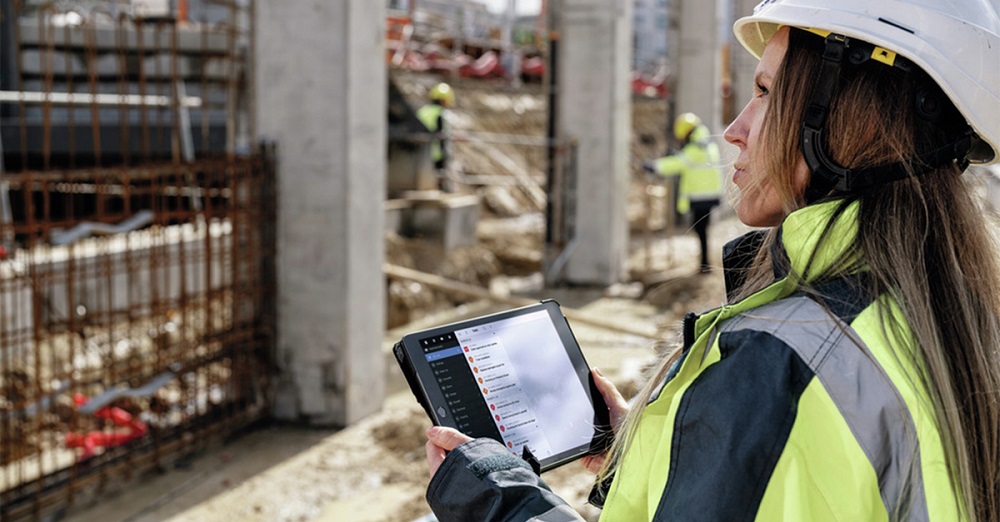

Engineers play a central role in construction project execution by ensuring that designs are translated into safe, functional, and durable structures. Their responsibilities extend from technical planning and material selection to site supervision, quality control, scheduling coordination, and compliance with safety regulations. Without engineering oversight, construction projects risk delays, cost overruns, and structural deficiencies.
Construction engineers act as the technical backbone of projects, coordinating between architects, contractors, clients, and regulatory authorities to maintain consistency between planning and execution.
Importance of Engineers in Construction Projects
Engineers ensure that construction activities align with approved designs, structural calculations, and safety standards. Their involvement helps maintain project quality, efficiency, and accountability at every stage of execution.
Key contributions include
- Translating drawings into site level instructions
- Monitoring structural stability during construction
- Managing construction resources efficiently
- Ensuring compliance with technical specifications
- Supporting timely completion of projects
Their presence on site reduces risks associated with errors, unsafe practices, and material misuse.
Types of Engineers Involved in Construction Execution
Different engineering professionals contribute specialized knowledge throughout project development.
Civil Engineers
Civil engineers supervise site preparation, foundation construction, and structural layout implementation. They coordinate earthwork, reinforcement placement, and concrete operations to ensure structural strength.
Their responsibilities include
- Site layout marking
- Soil condition evaluation
- Structural coordination with design teams
- Supervision of foundation work
- Monitoring construction progress
Structural Engineers
Structural engineers verify that load bearing elements perform safely under expected conditions. They evaluate beams, columns, slabs, and reinforcement arrangements during construction.
Key responsibilities include
- Reviewing structural drawings
- Ensuring correct reinforcement placement
- Checking load distribution systems
- Inspecting structural integrity during execution
- Supporting modifications when site conditions change
Mechanical Engineers
Mechanical engineers manage installation of mechanical systems such as ventilation networks, fire protection systems, and water supply arrangements.
Typical duties include
- Planning mechanical service layouts
- Supervising equipment installation
- Ensuring system efficiency
- Coordinating with electrical engineers
- Monitoring operational performance
Electrical Engineers
Electrical engineers supervise installation of power systems, lighting infrastructure, and communication networks within construction projects.
Their responsibilities include
- Planning wiring layouts
- Supervising electrical installations
- Ensuring safety compliance
- Coordinating power distribution systems
- Supporting testing procedures
Responsibilities of Engineers During Construction Execution
Engineers perform multiple technical and supervisory roles to maintain workflow continuity and structural quality.
Site Supervision and Coordination
Engineers supervise daily site activities and ensure that construction follows approved drawings and schedules. They coordinate contractors, labor teams, and equipment usage to maintain productivity.
Effective supervision helps prevent execution errors and material wastage.
Quality Control and Assurance
Maintaining construction quality is one of the most critical responsibilities of engineers. They inspect materials and workmanship regularly to ensure compliance with project standards.
Quality monitoring activities include
- Checking reinforcement placement accuracy
- Inspecting concrete mixing procedures
- Verifying alignment and leveling
- Reviewing finishing quality
- Ensuring compliance with specifications
Safety Management on Construction Sites
Construction environments involve multiple risks. Engineers ensure that workers follow safety procedures and protective guidelines during execution.
Safety responsibilities include
- Monitoring use of protective equipment
- Ensuring safe scaffolding arrangements
- Managing equipment handling practices
- Identifying hazardous conditions
- Supporting emergency preparedness measures
Project Scheduling and Progress Monitoring
Engineers track project timelines and coordinate resources to maintain workflow efficiency. They help ensure activities are completed within planned durations.
Scheduling support includes
- Monitoring daily work progress
- Coordinating subcontractor activities
- Reporting execution delays
- Supporting resource planning decisions
- Maintaining construction timelines
Role of Engineers in Material Management
Material quality directly influences structural performance. Engineers supervise procurement, storage, and usage of construction materials to prevent quality compromise.
Their responsibilities include
- Verifying material specifications
- Inspecting delivery quality
- Monitoring storage conditions
- Preventing material wastage
- Ensuring proper usage techniques
Proper material control improves durability and reduces long term maintenance requirements.
Engineers and Communication Coordination in Construction Projects
Engineers serve as communication bridges between different stakeholders involved in construction execution. They translate technical drawings into practical instructions that workers and contractors can follow accurately.
Communication responsibilities include
- Coordinating with architects
- Reporting to project managers
- Supporting contractor decision making
- Communicating technical modifications
- Managing documentation updates
Clear communication ensures consistency between planning and execution stages.
Contribution of Engineers to Cost Control
Engineers help maintain financial discipline during project execution by preventing rework and material losses. Their technical supervision supports efficient resource utilization.
Cost control responsibilities include
- Monitoring material consumption
- Preventing execution errors
- Supporting accurate quantity tracking
- Identifying cost saving opportunities
- Ensuring efficient equipment usage
These measures improve project profitability and reduce unexpected expenditures.
Role of Engineers in Ensuring Regulatory Compliance
Construction projects must meet local building regulations and technical codes. Engineers ensure that construction activities follow approved standards and statutory requirements.
Compliance responsibilities include
- Verifying structural safety requirements
- Ensuring approved drawing implementation
- Supporting inspection processes
- Maintaining documentation records
- Coordinating with regulatory authorities
Compliance ensures legal approval and long term structural reliability.
Engineers and Use of Technology in Construction Execution
Modern engineers rely on digital tools to improve accuracy and coordination during construction projects.
Common technologies used include
- Digital modeling systems
- Construction scheduling software
- Surveying equipment
- Structural analysis tools
- Site monitoring applications
Technology integration improves decision making and reduces execution uncertainties.
Skills Required for Engineers in Construction Project Execution
Engineers require both technical and managerial capabilities to perform effectively on construction sites.
Important skills include
- Structural understanding
- Problem solving ability
- Communication skills
- Time management capability
- Safety awareness
- Coordination efficiency
Strong technical knowledge combined with practical site experience ensures successful project execution.
FAQ Section
Why are engineers essential during construction execution rather than only design stages
Engineers ensure that site activities follow approved drawings accurately and that unexpected conditions are addressed without compromising safety or quality.
How do engineers handle unexpected construction site challenges
Engineers analyze site conditions, adjust execution methods when necessary, and coordinate with design teams to implement technically safe solutions.
What role do engineers play in contractor supervision
Engineers verify that contractors follow specifications, maintain quality standards, and complete assigned tasks according to the project schedule.
How do engineers support sustainability in construction projects
Engineers recommend efficient material usage, supervise waste reduction practices, and support energy efficient system installations during execution.
Do engineers participate in construction documentation management
Engineers maintain execution records, inspection reports, and technical updates that support project transparency and regulatory compliance.
How do engineers contribute to long term building durability
Engineers ensure proper structural execution, verify material quality, and supervise construction accuracy to improve performance over the life of the structure.
What coordination role do engineers perform between project stakeholders
Engineers connect architects, contractors, suppliers, and project managers by translating technical requirements into actionable site instructions.
Comments are closed.