
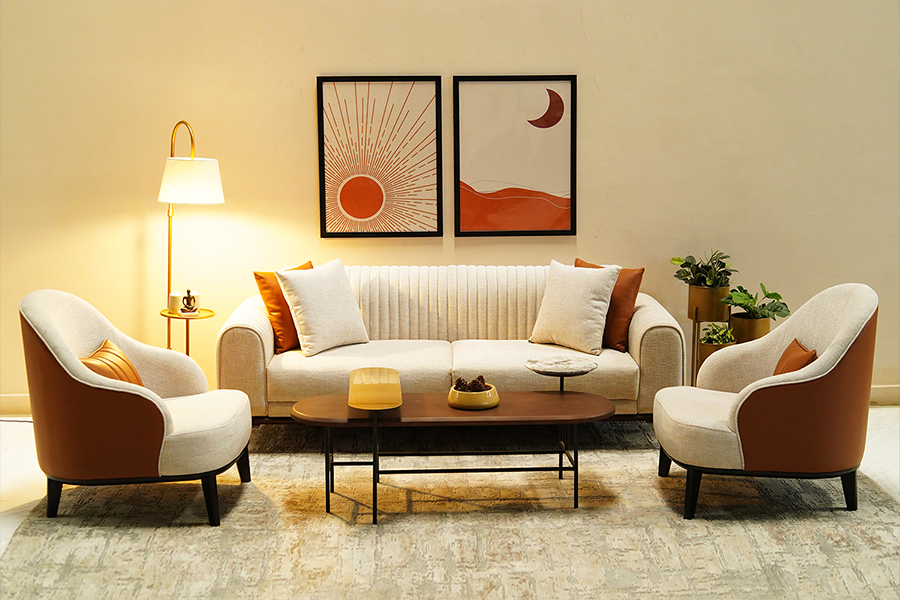

Furniture is an intrinsic part of daily life, woven seamlessly into the fabric of our homes, offices, and public spaces. More than just utilitarian objects, pieces of furniture carry deep cultural significance, reflecting the values, aesthetics, and innovations of their time. From the elegance of a handcrafted Victorian armchair to the minimalist beauty of modern Scandinavian designs, furniture is an ever-evolving blend of functionality, artistry, and personal expression. In this article, we will explore the history and evolution of furniture, the various styles that have emerged over time, and the ongoing importance of thoughtful design in shaping our environments.
The Historical Context: Furniture as a Reflection of Society
The evolution of furniture is deeply intertwined with the development of human civilization. In the early stages of history, furniture was rudimentary, often crafted from natural materials such as wood, stone, and animal hides. The needs of early humans were simple—shelter, rest, and storage. The first examples of furniture were basic, functional pieces designed for comfort and survival. From the stone benches in ancient Egyptian tombs to the wooden stools of ancient Greece, early furniture was often a reflection of social status and practical necessity.
As societies advanced, so too did the designs of their furnishings. In the Renaissance period, furniture became an expression of opulence and artistic mastery. Skilled craftsmen, particularly in Italy and France, began to create intricate wooden pieces adorned with carvings, gilding, and fine upholstery. The wealthy elite sought to showcase their status through elaborate furniture, commissioning bespoke pieces that often became heirlooms passed down through generations.
The Industrial Revolution of the 19th century marked a turning point in furniture design. Mass production techniques, such as the invention of the sewing machine and the mechanized lathe, made furniture more affordable and accessible to a wider range of people. While earlier furniture had been handcrafted by artisans, the rise of factories allowed for standardization and mass production, which ultimately democratized the ownership of beautifully designed furnishings. Yet, even as mass production flourished, certain furniture styles—like Arts and Crafts, Art Nouveau, and later Art Deco—continued to celebrate craftsmanship, albeit with new materials and techniques.
The Rise of Design Movements: A Look at Key Styles
Over the centuries, furniture design has been shaped by various movements, each with its unique philosophy and aesthetic. These movements not only reflect changes in technology and culture but also act as reactions to previous styles, offering new ways of thinking about the role of furniture in society.
1. Baroque and Rococo (17th to 18th Century)
During the Baroque and Rococo periods, furniture design took on an air of extravagance and ornamentation. Baroque furniture, characterized by bold curves and dramatic proportions, was designed to make a statement. Rococo, an offshoot of Baroque, focused on lighter, more whimsical designs. The Rococo style featured intricate carvings, floral motifs, and soft pastel colors, often with an air of playfulness and delicacy. These designs were predominantly seen in the grand palaces and estates of European nobility.
2. Neoclassical (18th Century)
The Neoclassical movement emerged as a reaction against the flamboyance of Baroque and Rococo. Drawing inspiration from ancient Greek and Roman forms, Neoclassical furniture was more restrained, with straight lines, geometric shapes, and elegant simplicity. Chairs, sofas, and tables from this period were often made from darker woods like mahogany, with clean surfaces and minimal ornamentation. This style appealed to the growing middle class, who sought furniture that reflected both refinement and rationality.
3. Mid-Century Modern (1940s to 1960s)
The Mid-Century Modern era ushered in a radical departure from traditional furniture designs. Influenced by advances in materials such as plywood, plastic, and steel, Mid-Century Modern furniture embraced clean lines, functional shapes, and organic forms. Designers like Charles and Ray Eames, Arne Jacobsen, and George Nelson emphasized simplicity, with the form following the function of each piece. Iconic pieces from this era, like the Eames lounge chair and the Saarinen tulip table, remain highly regarded for their timeless elegance and innovative use of materials.
4. Contemporary and Minimalist Design (21st Century)
In the 21st century, furniture design has been heavily influenced by the principles of minimalism. Clean, simple lines dominate contemporary furniture, with a focus on quality and function rather than excessive decoration. In this era, sustainable design has gained prominence, with an emphasis on eco-friendly materials, energy-efficient production methods, and long-lasting quality. This period also sees an increased focus on multifunctional furniture, with pieces designed to maximize limited space in urban apartments and homes.
Furniture as Personal Expression
While the history of furniture reflects the evolution of design and materials, the most significant development in recent decades has been the role of furniture as a form of personal expression. No longer are people solely concerned with functionality; they seek pieces that reflect their personality, values, and lifestyle.
In today’s market, there is an overwhelming variety of furniture styles, from vintage and antique to industrial and eclectic. The growing trend of personalized or custom furniture has allowed individuals to curate their own living spaces in a way that resonates with their identities. Whether it’s a hand-crafted dining table, a designer chair with bold colors, or a vintage coffee table found at a flea market, furniture today often speaks to personal taste, blending aesthetics with functionality.
This rise in customization has been driven by various factors, including the digital revolution, which has allowed consumers to access a wide array of designers, independent makers, and bespoke services. With the advent of online marketplaces and design platforms, people are no longer restricted to purchasing mass-produced pieces from large retailers. Instead, they can collaborate with artisans or choose from a growing pool of local, sustainable designers who create unique pieces tailored to individual needs and preferences.
The Role of Sustainability in Furniture Design
As with many other industries, sustainability has become a significant concern in the world of furniture design. The environmental impact of mass-produced furniture, often made with cheap materials and shipped globally, has prompted a shift toward more sustainable practices. Designers and manufacturers are increasingly using renewable resources, repurposed materials, and eco-friendly production techniques to minimize their carbon footprint.
Reclaimed wood, bamboo, and upcycled fabrics are becoming staples in the furniture world, as consumers demand more sustainable and ethically made products. Furthermore, the concept of “buying for life” has gained traction, with an emphasis on well-made, durable pieces that can stand the test of time, rather than disposable furniture that quickly ends up in landfills.
The Future of Furniture: Technological Integration and Smart Design
As we look to the future of furniture, one of the most exciting developments is the integration of technology into everyday furnishings. Smart furniture—pieces equipped with sensors, charging stations, and even built-in speakers—are becoming more commonplace in homes and offices. These innovations not only add convenience but also enhance the functionality of the space. For example, a smart coffee table can wirelessly charge your devices while offering storage solutions, while an adjustable desk can change height with the push of a button, promoting better posture and health.
Moreover, as urban living continues to evolve, furniture design will likely become more focused on optimizing small spaces. Multi-functional furniture—such as foldable desks, convertible sofas, and modular storage solutions—will remain a key trend, particularly in cities where space is at a premium.
Conclusion: The Enduring Power of Furniture
Furniture has come a long way from its early beginnings as simple, functional pieces designed for basic shelter. Today, it is much more than a mere tool for sitting or storing items; it is an expression of culture, individuality, and lifestyle. Through the centuries, furniture has evolved to reflect the values and technologies of its time, from the opulent designs of the Renaissance to the sleek, minimalist lines of the 21st century.
As we continue to move forward, furniture will undoubtedly evolve in response to the changing needs of society. Whether driven by advances in technology, environmental concerns, or shifting aesthetic preferences, furniture will always remain an essential part of our lives—defining not just the spaces we inhabit but also who we are within them.
Comments are closed.