
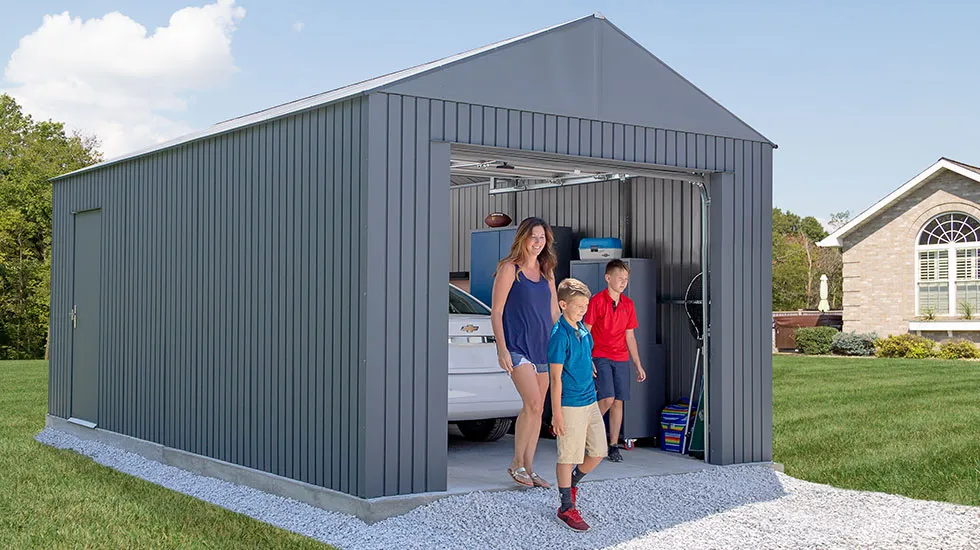

When homeowners start running out of storage space, the first solution that comes to mind is often an outdoor structure. Modern garage sheds have evolved far beyond simple storage boxes. They now serve as workshops, hobby rooms, home gyms, and even fully insulated workspaces. Choosing the right structure requires careful planning, budgeting, and understanding of materials and placement.
A well-designed garage shed can increase property value, improve organization, and protect expensive tools or vehicles from weather damage. However, selecting the wrong size, material, or foundation can lead to long-term frustration. This guide breaks down everything you need to know so you can make an informed decision and create a structure that truly works for your lifestyle.
Why Homeowners Invest in Garage Sheds
Garage sheds offer flexibility that traditional garages often lack. Many homes either do not have a garage or have one that is already filled with vehicles and storage items. Adding a detached structure solves multiple problems at once.
Additional Storage Without Home Renovation
Building an addition onto your house can be costly and time-consuming. A detached shed provides extra square footage without disrupting your existing floor plan. Seasonal decorations, lawn equipment, bicycles, and power tools can be stored safely and neatly.
Dedicated Workspace
Many homeowners enjoy woodworking, car restoration, crafting, or mechanical projects. A garage shed creates a designated workspace where tools can stay organized and projects can remain undisturbed.
Protection From Weather
Outdoor equipment deteriorates quickly when exposed to rain, snow, and intense sun. Properly built sheds shield valuable items from:
-
Moisture damage
-
Rust formation
-
UV fading
-
Extreme temperature fluctuations
Increased Property Value
A well-built and properly permitted structure can enhance curb appeal and functionality. Buyers often appreciate extra storage, especially in neighborhoods where garage space is limited.
Understanding Different Types of Garage Sheds
Not all sheds are created equal. The type you choose should align with your intended use, budget, and long-term plans.
Standard Storage Sheds
These are compact structures primarily used for tools, garden supplies, and outdoor equipment. They typically feature:
-
Single or double doors
-
Basic ventilation
-
Minimal insulation
They are ideal for homeowners who need simple storage without additional upgrades.
Workshop Sheds
Designed for hands-on work, workshop-style sheds often include:
-
Electrical wiring
-
Insulated walls
-
Workbenches
-
Larger windows for natural light
These structures require more planning but provide year-round usability.
Detached Garage-Style Sheds
This type resembles a traditional garage and is suitable for storing vehicles, motorcycles, or ATVs. Features may include:
-
Roll-up garage doors
-
Reinforced flooring
-
Higher roof clearance
-
Loft storage space
Custom Multi-Use Structures
Some homeowners design sheds that combine storage and functional living space. Examples include:
-
Half workshop, half storage area
-
Home gym setups
-
Creative studios
-
Office space with insulation and climate control
Customization allows you to tailor every detail to your needs.
Choosing the Right Materials
Material selection directly impacts durability, maintenance, and appearance.
Wood Sheds
Wood offers a classic, natural look that blends well with most homes.
Advantages:
-
Easy to customize
-
Strong structural integrity
-
Can be painted or stained
Considerations:
-
Requires regular maintenance
-
Susceptible to pests and moisture if not sealed properly
Metal Sheds
Metal structures are known for durability and resistance to pests.
Advantages:
-
Low maintenance
-
Fire-resistant
-
Long lifespan
Considerations:
-
Can become hot in summer
-
May require insulation for comfort
-
Risk of condensation buildup
Vinyl or Resin Sheds
These are modern alternatives that offer convenience.
Advantages:
-
Minimal maintenance
-
Resistant to rot and insects
-
Easy assembly
Considerations:
-
Limited customization
-
May not support heavy loads without reinforcement
Determining the Ideal Size
Size planning is one of the most common mistakes homeowners make. Many choose a structure that fits their current needs but forget to account for future growth.
Evaluate Your Inventory
Make a detailed list of items you plan to store, including:
-
Lawn equipment
-
Tools and machinery
-
Vehicles
-
Shelving units
-
Workbenches
Measure larger items to ensure adequate clearance.
Plan for Walking Space
Storage is not the only concern. You need room to move comfortably inside the structure. If you plan to work inside, allow space for:
-
Turning around equipment
-
Opening doors fully
-
Adding future shelving
Consider Vertical Space
Lofts and overhead racks can dramatically increase storage capacity without expanding the footprint.
Foundation and Placement Considerations
A stable foundation ensures long-term durability and prevents structural issues.
Common Foundation Options
-
Concrete slab for maximum stability
-
Gravel base for drainage
-
Treated wood platform for elevated installation
Concrete slabs are typically recommended for heavier structures or vehicle storage.
Proper Site Preparation
Choose a location that:
-
Has good drainage
-
Is level
-
Meets setback requirements
-
Allows easy access from your home or driveway
Avoid placing sheds in low-lying areas where water collects.
Insulation, Ventilation, and Climate Control
If you plan to spend time inside your shed, temperature management becomes essential.
Insulation Options
-
Fiberglass batts
-
Spray foam insulation
-
Rigid foam boards
Insulation helps regulate temperature and reduces moisture buildup.
Ventilation Strategies
Proper airflow prevents mold and mildew. Consider:
-
Roof vents
-
Soffit vents
-
Windows that open
-
Exhaust fans
Heating and Cooling
For year-round comfort, options include:
-
Portable electric heaters
-
Mini-split systems
-
Window air conditioners
Always ensure electrical work complies with local building codes.
Electrical and Lighting Setup
Adding electricity transforms a simple shed into a fully functional workspace.
Basic Electrical Additions
-
Overhead LED lighting
-
Multiple wall outlets
-
Exterior security lights
-
Dedicated circuits for heavy equipment
Hiring a licensed electrician ensures safety and compliance.
Natural Lighting
Windows and skylights reduce daytime electricity use and improve comfort.
Security Features
Sheds often store valuable equipment. Security measures should not be overlooked.
Effective Security Solutions
-
Heavy-duty locks
-
Motion-activated lighting
-
Security cameras
-
Reinforced doors and hinges
Positioning the shed in a visible area of your yard also discourages theft.
Customization and Aesthetic Enhancements
Garage sheds can complement your home’s design rather than appear as an afterthought.
Exterior Enhancements
-
Matching roof shingles
-
Coordinated paint colors
-
Decorative trim
-
Window shutters
Interior Upgrades
-
Built-in shelving
-
Pegboard tool walls
-
Epoxy-coated flooring
-
Cabinets and storage bins
These additions improve organization and make daily use more enjoyable.
Budgeting for Your Project
Costs vary widely depending on size, materials, and customization.
Factors That Influence Cost
-
Material type
-
Foundation requirements
-
Electrical installation
-
Insulation and finishing
-
Permits and inspections
Creating a detailed budget prevents unexpected expenses.
DIY vs. Professional Installation
Building a shed yourself can reduce labor costs, but mistakes may lead to structural issues. Professional installation ensures proper construction and compliance with local codes.
Permits and Zoning Regulations
Before construction begins, check local regulations.
Important Steps
-
Contact your local building department
-
Review zoning restrictions
-
Confirm property line setbacks
-
Determine permit requirements
Ignoring these steps can result in fines or mandatory removal.
Maintenance Tips for Long-Term Durability
Proper upkeep extends the life of your structure.
Routine Maintenance Checklist
-
Inspect roof annually
-
Check for water intrusion
-
Seal cracks or gaps
-
Repaint or reseal wood surfaces
-
Clear debris from gutters
Metal structures should be checked for rust and treated promptly.
Frequently Asked Questions
Do I need a permit for a small shed in my backyard?
Permit requirements vary by location. Many municipalities allow smaller sheds under a certain square footage without permits, but larger structures almost always require approval. Always confirm with your local building authority before purchasing materials.
How long does it take to build a garage shed?
A basic prefabricated shed can be assembled in a weekend. Custom-built structures with foundations and electrical wiring may take several weeks from preparation to final inspection.
Can I convert my shed into a living space later?
Converting a shed into a livable structure typically requires significant upgrades such as insulation, plumbing, electrical work, and compliance with residential building codes. It is easier and more cost-effective to design the structure for future conversion during the initial build.
What is the best flooring option for heavy equipment?
Concrete slabs provide the strongest and most durable surface for heavy machinery or vehicle storage. For lighter use, reinforced plywood with protective coating can work well.
How can I reduce moisture inside my shed?
Moisture control starts with proper site drainage and a vapor barrier under the floor. Installing roof vents, adding insulation, and using a dehumidifier can further prevent condensation and mold growth.
Is it better to match my shed to my house?
While not required, matching roofing materials, paint colors, and trim creates a cohesive look that can enhance property value and curb appeal.
Can I install solar panels on a garage shed?
Yes, solar panels can power lighting or small equipment inside a shed. Proper roof orientation and professional installation are important for efficiency and safety.
What is the typical lifespan of a well-maintained shed?
With proper maintenance, wood sheds can last 20 years or more. Metal and vinyl structures may last even longer with minimal upkeep, especially when built on a stable foundation and protected from extreme weather conditions.
Comments are closed.