
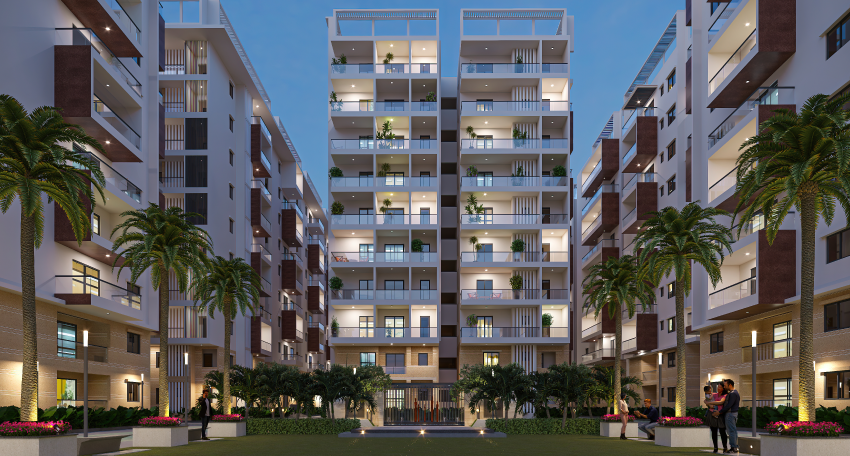

In the ever-evolving world of urban living, apartments have emerged as a pivotal choice for a vast majority of people across the globe. No longer confined to the status of simple, temporary accommodations, apartments have become dynamic spaces of innovation, comfort, and sophistication. From sprawling penthouses in bustling city centers to cozy studio flats in suburban developments, apartments offer more than just a place to live—they are a reflection of modern lifestyles, preferences, and aspirations. In this article, we delve into the evolution of apartments, their impact on urban landscapes, and why they continue to be a top choice for millions of individuals and families alike.
The Evolution of Apartment Living
The concept of apartment living dates back centuries, although the idea of densely packed residential spaces in urban settings became prominent only in the 19th and 20th centuries. Initially, apartment buildings were seen as practical solutions to accommodate growing populations in major cities. Early apartments were often basic, utilitarian spaces designed to house working-class individuals and families. These were typically located in densely populated districts, where land was limited and expensive.
As cities expanded during the industrial revolution, the demand for efficient living arrangements surged. With more people migrating to urban centers in search of work and better opportunities, apartments became a necessary alternative to traditional houses, which were often out of reach for the average person. Over time, apartment buildings began to evolve, both in size and design.
By the mid-20th century, apartments began to take on a more modern and comfortable aesthetic. Architectural innovation and the rise of modernist design principles led to a shift in the way apartments were constructed. Buildings became taller, sleeker, and more sophisticated, with amenities such as elevators, balconies, and larger windows. In the 21st century, the apartment building has truly become a work of art, with high-rise complexes featuring luxury amenities like fitness centers, rooftop gardens, swimming pools, and even on-site spas.
The Benefits of Apartment Living
For many individuals, the decision to live in an apartment is driven by practicality. Urban apartments offer a range of advantages that make them highly appealing to city dwellers, especially those who prefer a low-maintenance lifestyle.
1. Affordability and Accessibility
One of the most compelling reasons for the rise in apartment living is affordability. In cities with high property values, buying a house is often an unattainable goal for many people. Apartments, on the other hand, provide an accessible entry point to urban living without the significant financial burden associated with homeownership. Renters often find that apartment costs—especially in high-demand areas—can be much more manageable than a mortgage.
Moreover, the flexibility that apartment living offers is invaluable. Renting an apartment allows individuals to avoid the long-term commitment associated with owning a home, which is particularly advantageous for those who move frequently for work or personal reasons. It also removes the burden of property taxes, maintenance, and other responsibilities that come with homeownership.
2. Convenience and Location
Apartments are often situated in prime locations within cities, providing easy access to work, entertainment, transportation, and more. Whether it’s a chic downtown loft near trendy cafes and restaurants, or a suburban apartment near schools and parks, the location of an apartment can significantly enhance a person’s quality of life. The proximity to key amenities like public transport, shopping centers, and cultural institutions makes apartment living a convenient choice for those who value accessibility and ease.
In addition, many modern apartment complexes are designed with the needs of residents in mind. On-site laundry facilities, 24-hour security, concierge services, and dedicated parking are just a few of the amenities that make daily life easier for apartment dwellers.
3. Maintenance-Free Living
For those tired of dealing with home repairs and yard work, apartments offer a welcome reprieve. Most apartment buildings include maintenance services, meaning that residents are not responsible for fixing leaky faucets, broken appliances, or dealing with landscaping. This frees up valuable time for residents to focus on their careers, hobbies, or simply relaxing without the stress of upkeep.
4. Community and Social Connections
Unlike the isolation that can come with owning a single-family home, apartment living often fosters a sense of community. Many apartment buildings have shared spaces such as lounges, fitness rooms, and outdoor areas where residents can interact with neighbors. This creates an opportunity for socialization, networking, and building relationships with people who live nearby. In some cases, apartment complexes even host events or activities for residents to come together, whether for fitness classes, holiday parties, or local charity events.
The Challenges of Apartment Living
While apartment living offers numerous benefits, it is not without its challenges. The close proximity to neighbors, for instance, can sometimes lead to noise disturbances or a lack of privacy. In densely populated apartment buildings, it is not uncommon for residents to hear sounds from adjacent units, which can sometimes be disruptive.
Additionally, limited space in many apartments can be a drawback, especially for families or individuals who require more room. Even though many modern apartments are designed with clever storage solutions, some renters or owners may still find themselves feeling cramped.
Parking can also be an issue in apartment complexes, especially in cities where space is at a premium. While many buildings offer underground parking, these spaces are often limited, and residents may find themselves needing to park on the street or in public lots.
Finally, there is the question of cost. While apartments are often more affordable than homes, rental prices in popular cities are rising. In some urban centers, rental rates have reached astronomical levels, making it challenging for people to find affordable housing. This has sparked debates about rent control, housing policies, and the need for more affordable housing options in cities around the world.
The Future of Apartment Living
As urbanization continues to grow, so too does the demand for apartments. The future of apartment living will likely see further innovation in both design and technology. Green building practices and energy-efficient solutions are becoming increasingly popular in new apartment developments. Smart technology, such as automated lighting, climate control, and advanced security systems, will continue to enhance the appeal of apartment living, providing greater convenience and sustainability.
Moreover, as more people seek to reduce their environmental footprint, eco-friendly apartment buildings will likely become the norm. With more attention on creating sustainable, energy-efficient spaces, developers will need to consider not only the comfort and aesthetics of apartments but also their environmental impact.
In conclusion, apartments have become an integral part of modern urban life, offering a unique blend of convenience, affordability, and community. While they come with their own set of challenges, they remain an attractive housing option for those seeking a dynamic and flexible lifestyle. As cities continue to evolve and new technologies reshape the way we live, the role of apartments will only grow, solidifying their place as a cornerstone of contemporary living.
Comments are closed.