
Navigating Urban Pest Challenges in New Orleans: What Every Property Owner Needs to Know

New Orleans is a city like no other. With its vibrant culture, historic neighbourhoods, and subtropical climate, it draws visitors and residents alike. However, this same environment also attracts a wide variety of pests that thrive in the city’s warm temperatures and dense urban layout. For property owners, this presents a serious challenge—keeping buildings free from infestations while preserving their structural integrity and cleanliness.
Residents looking for dependable pest control New Orleans services need to understand the scope of pest-related risks in the area and what steps can be taken to manage them effectively.
Why New Orleans Faces Unique Pest Problems
The Crescent City’s geography, age of infrastructure, and humid weather make it a hotspot for pest activity year-round. Older homes with crawl spaces and ageing sewer systems create ideal conditions for insects and rodents to nest, breed, and spread.
Environmental and Structural Factors
- High Humidity and Rainfall
The moisture-rich environment supports the breeding of insects such as mosquitoes, termites, and cockroaches. It also contributes to wood decay and mould—both attractants for pests. - Historic Buildings and Cracks in Infrastructure
Many of New Orleans’ properties are over a century old, offering pests plenty of entry points through cracked foundations, loose shingles, and aging wood. - Dense Urban Environment
Multi-family homes, restaurants, and close living quarters make it easier for pests to migrate from one structure to another.
Most Common Pests in New Orleans Homes
To create an effective management strategy, it’s essential to know your enemies. Different pests pose different risks, from structural damage to health hazards.
Typical Urban Pests in the Area
- Formosan Termites
An invasive species particularly prevalent in New Orleans, these termites form massive colonies and can devour entire buildings if left unchecked. - German Cockroaches
Thriving in warm, moist environments, they are prolific breeders and frequent visitors to kitchens, bathrooms, and basements. - Fire Ants
Often found in gardens and lawns, their bites are painful and can cause allergic reactions in sensitive individuals. - Silverfish and Earwigs
While not dangerous, these pests can damage paper goods, clothing, and other belongings stored in humid areas.
Understanding the Rodent Threat in New Orleans
Beyond insects, rodents pose a serious concern. Urban rat populations, in particular, have become more visible and aggressive in recent years, especially following floods or construction projects that disturb their nesting grounds.
When residents suspect an issue, they often turn to New Orleans rat control professionals to help eliminate infestations before they spiral out of control.
Why Rodents Are More Than Just a Nuisance
- Disease Risks
Rats are known to carry and transmit diseases like hantavirus, leptospirosis, and salmonella through their droppings, urine, and bites. - Property Damage
Rodents gnaw on wires, pipes, insulation, and wooden beams, which can lead to electrical fires or plumbing leaks. - Infestation Growth
A single female rat can give birth to dozens of offspring in a year. Without immediate intervention, a small problem can quickly escalate.
Signs Your Property May Be Infested
Detecting early warning signs can make all the difference in resolving a pest problem before it worsens.
What to Watch Out For
- Unusual Noises at Night
Scratching, rustling, or squeaking sounds in walls or ceilings are often a sign of rodents or insects on the move. - Droppings and Nesting Debris
Look for small, dark pellets or shredded paper and fabric that rodents use for nesting. - Insect Wings or Shells
Sheddings from cockroaches or termite wings near window sills can signal an active infestation. - Musty or Foul Odours
Persistent smells often indicate rodent urine or decomposing pests trapped within walls.
How Professional Pest Management Works
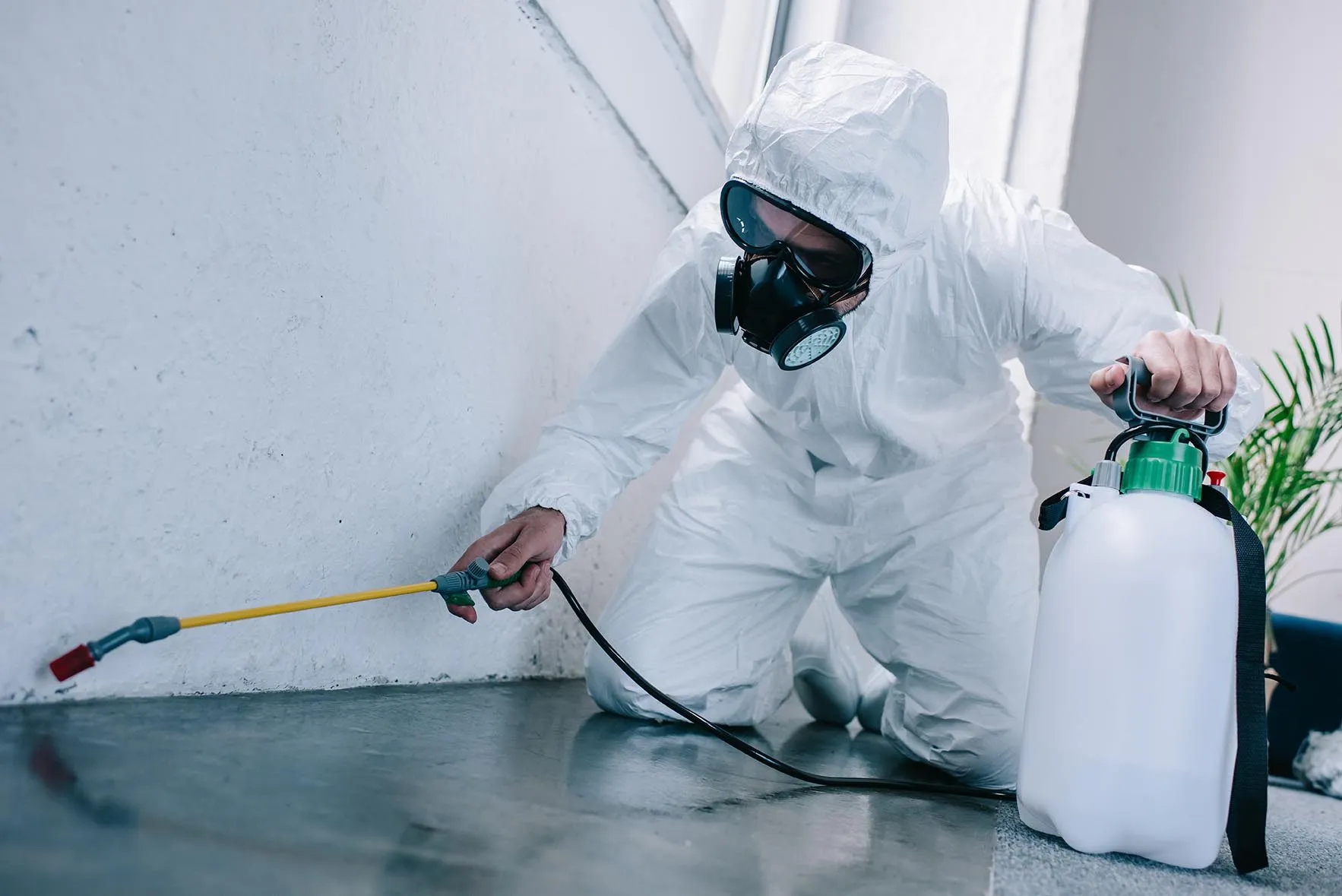
Professional pest control involves more than just spraying chemicals—it’s about creating a long-term strategy tailored to your property and the specific pests involved.
What Experts Do Differently
- Detailed Property Evaluation
Professionals perform a full inspection, checking common hiding places, moisture levels, and structural vulnerabilities. - Targeted Treatment Plans
Based on findings, a custom plan is developed using bait traps, gel stations, perimeter sprays, or fumigation where necessary. - Eco-Friendly Approaches
Modern services prioritise safe, environmentally responsible products, especially in households with pets or children. - Follow-Up Monitoring and Reporting
Ongoing inspections help ensure that pests do not return and that any structural repairs or sanitation issues are addressed.
Prevention Strategies for Long-Term Protection
The best pest control starts with prevention. Homeowners and business operators can adopt small habits that reduce the likelihood of attracting pests.
Practical Pest Prevention Tips
- Seal Entry Points
Inspect your home regularly for cracks, holes, and unsealed vents. Use mesh or steel wool to block off rodent-sized openings. - Proper Waste Disposal
Keep bins tightly closed, avoid leaving food scraps out overnight, and schedule regular garbage collection to discourage foraging pests. - Fix Leaks and Reduce Moisture
Standing water attracts mosquitoes and supports mould growth. Repair plumbing issues and use dehumidifiers in high-moisture zones. - Clean Up Clutter
Stored paper, cardboard, and textiles are ideal nesting materials. Keep storage areas organised and ventilated. - Use Natural Deterrents
Essential oils like peppermint and citronella, or herbs like bay leaves, can help repel common pests.
Why Choose Local Pest Control Experts
Choosing a provider who understands New Orleans’ unique pest challenges can result in more effective outcomes and faster solutions.
Advantages of Local Expertise
- Familiarity with Local Pest Trends
From seasonal swarms to hurricane-related spikes, local experts anticipate patterns before they emerge. - Knowledge of Building Styles
Older New Orleans homes require specialised approaches, such as crawl space treatments and non-invasive entry prevention. - Quick Response Times
Being close by ensures faster inspection, treatment, and emergency services. - Community Trust and Reviews
Local businesses with strong reputations often have long-standing relationships within the community.
Conclusion: Stay Vigilant and Act Early
In a city as dynamic and dense as New Orleans, pest management is not a one-time effort—it’s an ongoing necessity. By understanding local pest behaviour and investing in regular inspections and prevention, you can safeguard your property and loved ones from unnecessary stress and danger.
Whether you’re combating seasonal insects or managing a persistent rodent issue, professional pest control like JJEXT is your first line of defence. Don’t wait for pests to take over. Proactive care, combined with expert help, ensures a cleaner, healthier living environment year-round.
Frequently Asked Questions (FAQ)
- How often should I have my home inspected for pests in New Orleans?
At a minimum, schedule annual inspections. However, properties near water or with prior issues may require semi-annual visits.
- What are the most dangerous pests in the city?
Formosan termites and disease-carrying rodents pose the highest risk due to structural damage and health concerns.
- Are pest control services safe for families with children and pets?
Yes. Reputable companies use family-safe, eco-conscious products. Always follow post-treatment instructions.
- Can I use DIY methods to control pests?
While helpful for minor issues, DIY methods rarely provide long-term solutions for infestations. Professional services are more comprehensive.
- What should I do if I see one rat or cockroach?
Don’t ignore it. One visible pest may signal a larger unseen population. Call a professional for an inspection.
- How long does professional treatment usually take?
Treatment time depends on the pest and property size but generally ranges from 30 minutes to a few hours. Severe infestations may require multiple visits.
How-To Guide: Responding to a Pest Sighting
Step 1: Stay Calm and Observe
Try to determine what kind of pest it is and where it came from. Note any visible entry points or food sources.
Step 2: Contain the Area
If possible, close doors or block access to prevent the pest from escaping deeper into the property.
Step 3: Clean the Affected Space
Wipe down surfaces and remove food or water sources that may have attracted the pest.
Step 4: Document the Incident
Take photos or make notes to share with your pest control provider for quicker identification and response.
Step 5: Contact a Professional
Book an inspection with a certified pest expert in New Orleans to assess and treat the problem before it spreads.
Comments are closed.