
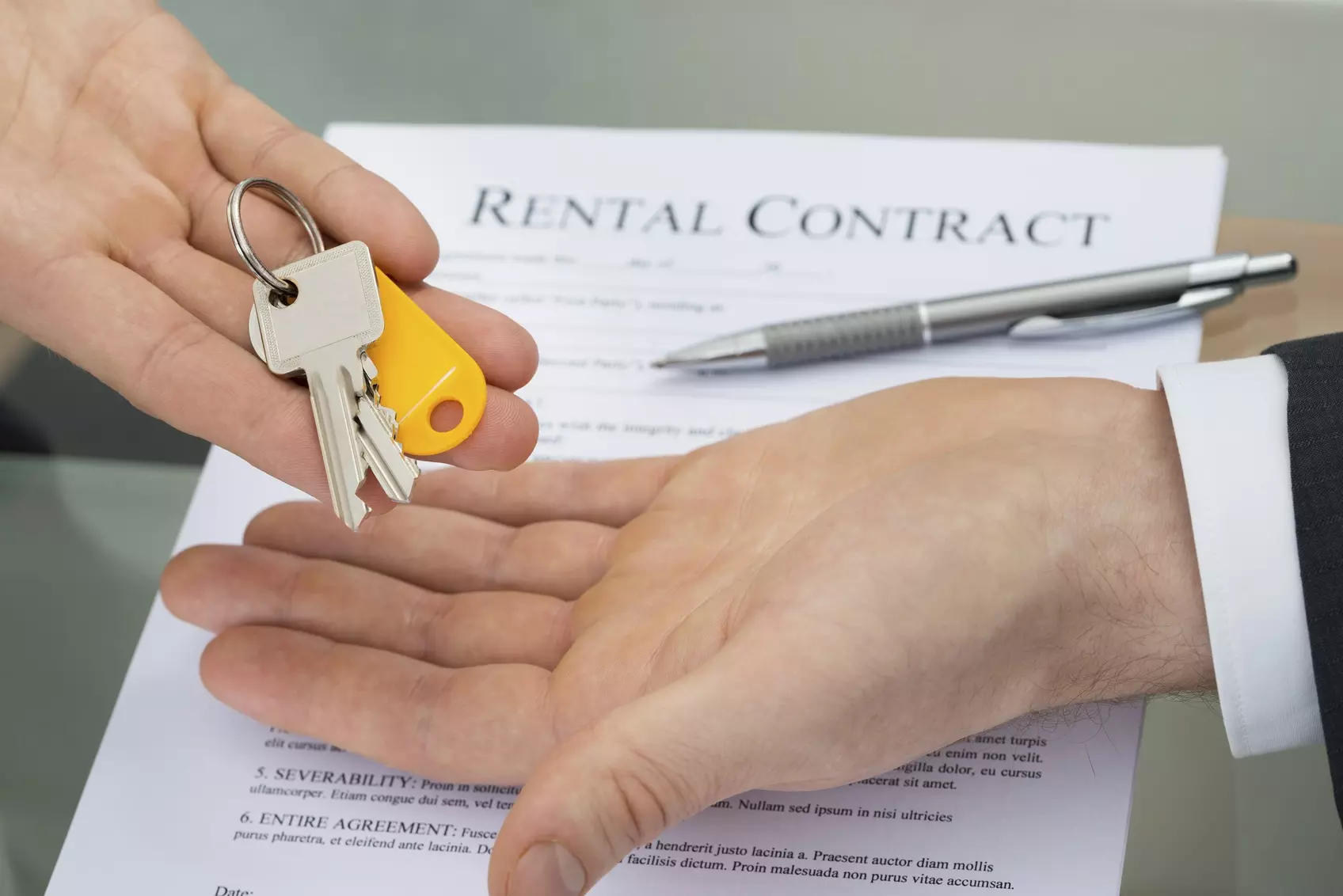

A rental agreement is a legally binding document that defines the relationship between a landlord and a tenant. It outlines rights, responsibilities, payment obligations, and conditions for occupying a property. Understanding the key clauses in a rental agreement helps prevent misunderstandings and protects both parties from disputes.
Carefully reviewing each clause before signing ensures transparency and long-term stability in the rental arrangement.
Purpose of a Rental Agreement
A rental agreement establishes the terms under which a tenant can occupy a property. It clarifies expectations and minimizes potential conflicts by specifying responsibilities clearly.
Its primary objectives include:
- Protecting the interests of both landlord and tenant
- Defining payment terms and occupancy duration
- Setting maintenance responsibilities
- Explaining termination procedures
- Ensuring legal compliance with local property laws
Essential Clauses Included in Rental Agreements
Rental agreements usually contain several standard clauses that form the foundation of the contract. Each clause serves a specific purpose and should be reviewed carefully before signing.
Names and Details of Parties
This clause identifies the landlord and tenant, including their full legal names and addresses. It ensures clarity about who is legally responsible under the agreement.
Including accurate identification prevents confusion during legal communication or dispute resolution.
Property Description Clause
The agreement must clearly describe the rented property, including:
- Full address
- Unit or apartment number
- Parking space details if applicable
- Shared facilities access
This clause confirms exactly what the tenant is renting.
Rent Amount and Payment Terms
One of the most important clauses specifies:
- Monthly rent amount
- Due date for payment
- Accepted payment methods
- Late payment penalties
Clear payment terms help maintain financial discipline and avoid conflicts between parties.
Security Deposit Clause
The security deposit protects landlords against property damage or unpaid rent. This clause typically explains:
- Deposit amount
- Conditions for deductions
- Refund timeline after tenancy ends
Transparency in this clause builds trust between both parties.
Duration of Tenancy
This clause defines how long the tenant can stay in the property.
Common tenancy types include:
- Fixed-term agreements such as 11 months or 12 months
- Month-to-month arrangements
- Renewable lease periods
Clearly stated timelines prevent uncertainty regarding occupancy rights.
Maintenance and Repair Responsibilities
Maintenance clauses specify who handles repairs and upkeep of the property.
Typically:
- Landlords handle structural repairs
- Tenants manage minor maintenance tasks
- Shared responsibilities may apply to utilities and appliances
This clause helps prevent disputes related to property condition.
Use of Property Clause
This section explains how the property can be used.
Examples include:
- Residential use only
- Commercial use restrictions
- Limits on subletting
- Restrictions on illegal activities
Following this clause ensures compliance with the agreement terms.
Notice Period for Termination
Rental agreements must include a notice period clause that explains how either party can terminate the agreement.
Usually, this includes:
- Minimum notice duration
- Written notice requirements
- Conditions for early termination
This clause ensures smooth transitions when ending tenancy.
Rent Increase Clause
Some agreements specify conditions under which rent may increase.
This clause may include:
- Frequency of increases
- Percentage limits
- Advance notice requirements
Including this clause protects tenants from unexpected financial changes.
Utility Payment Responsibilities
The agreement should clarify who pays for utilities such as:
- Electricity
- Water supply
- Gas connection
- Internet services
- Maintenance charges
Clear responsibility allocation avoids confusion during occupancy.
Rules and Restrictions Clause
Rental agreements often include behavioral and usage restrictions.
Common examples include:
- Noise level expectations
- Pet policies
- Visitor limitations
- Parking rules
- Property alteration restrictions
These rules help maintain harmony within residential communities.
Additional Clauses That Strengthen Rental Agreements
Some agreements include extra provisions for additional clarity and protection.
Examples include:
- Furnishing condition details
- Insurance responsibilities
- Dispute resolution methods
- Lock-in period conditions
- Inspection rights of landlord
Including these clauses improves contract transparency and legal strength.
Importance of Reading Rental Clauses Carefully
Signing a rental agreement without reviewing its clauses may lead to unexpected obligations. Tenants and landlords should always read the document thoroughly and seek clarification where needed.
Key benefits of understanding clauses include:
- Avoiding legal misunderstandings
- Preventing financial disputes
- Protecting property rights
- Ensuring smooth tenancy experience
Careful review ensures both parties enter the agreement with confidence.
Tips Before Signing a Rental Agreement
Before finalizing a rental agreement, consider the following practical steps:
- Verify property ownership details
- Check maintenance responsibilities clearly
- Confirm security deposit refund conditions
- Understand termination policies
- Review rent increase terms carefully
- Ensure all verbal commitments are written in the agreement
Taking these precautions reduces the chances of future disputes.
Frequently Asked Questions
What is the difference between a lease agreement and a rental agreement
A lease agreement usually covers a fixed long-term period with stable terms, while a rental agreement is typically shorter and may allow periodic changes such as rent adjustments.
Can a rental agreement be modified after signing
Yes, but only if both landlord and tenant agree to the changes and record them in writing as an amendment.
Is a written rental agreement legally required
In most situations, written agreements are strongly recommended because they provide clear legal evidence of terms and conditions.
What happens if a tenant breaks a rental agreement early
The consequences depend on the termination clause and may include penalties, forfeiture of deposit, or notice period obligations.
Who keeps the original copy of the rental agreement
Usually both landlord and tenant keep signed copies to ensure equal access to contract details.
Are verbal rental agreements legally valid
Verbal agreements may have limited legal recognition in some regions but written agreements offer stronger protection and clarity.
Should tenants verify clauses related to property inspections
Yes, tenants should review inspection clauses carefully to understand when and how landlords may access the property during the tenancy period.
Comments are closed.