
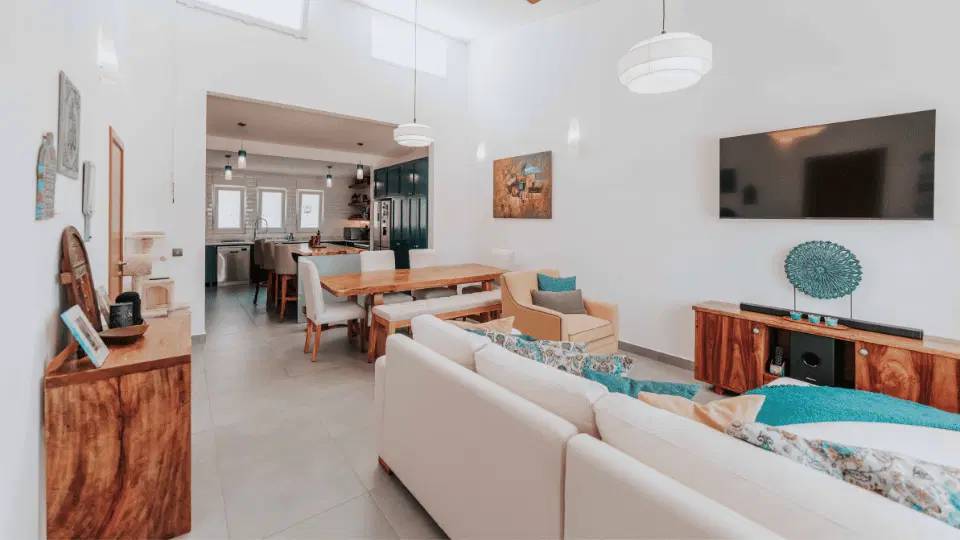

The accommodation landscape for young professionals in Pune has evolved dramatically in the past five years. What began as basic PG arrangements, often with shared bathrooms, unpredictable meal schedules, and restrictive house rules, has transformed into a sophisticated industry addressing the specific needs of IT workers and remote professionals.
Traditional PG in Pune now competes with managed co-living spaces that offer hotel-like amenities, flexible terms, and community-focused environments. This shift reflects broader changes in how young professionals view accommodation: not just as a place to sleep, but as infrastructure supporting career growth, work-life balance, and social connections. Here are seven key trends driving this transformation.
The Professionalization of Accommodation Management
What professionals now expect from modern PGs in Pune:
- Commute under 20 minutes to protect daily energy
• Predictable monthly costs without surprise charges
• Reliable Wi-Fi & power backup for hybrid schedules
• Professional peer community instead of random roommates
• On-site support teams instead of landlord dependency
Trend 1: Corporate-Backed Operators Replace Individual Landlords
The fragmented market of individual PG owners is consolidating. Professional operators bring standardized service levels, transparent pricing, and accountability that traditional arrangements lacked. Background-verified housekeeping staff, 24/7 maintenance, and predictable quality have become baseline expectations. The shift reduces daily friction. Instead of negotiating repairs with landlords, residents interact with service systems designed to respond quickly and predictably.
Trend 2: Technology-Enabled Operations
Mobile apps now handle everything from rent payments to complaint registration. Smart locks eliminate key handover hassles during move-ins, while IoT sensors monitor infrastructure issues before they escalate. This operational efficiency translates directly to better resident experiences, faster response times, transparent communication, and digital record-keeping.
Trend 3: Bundled Services Simplify Budgeting
The traditional model: ₹12,000 PG + ₹8,000 meals + ₹2,000 utilities + ₹3,000 Wi-Fi has given way to transparent, all-inclusive pricing. Professionals working in Hinjawadi and Wakad are increasingly favoring fully serviced rentals like Yukio, which bundle rent, meals, housekeeping, utilities, and amenities into a single monthly payment, typically ₹19,950-25,000.
More importantly, premium coliving removes life admin. Managing groceries, cooking, cleaning schedules, internet vendors, appliance repairs, and landlord coordination can quietly consume 15–20 hours every week in traditional setups. Managed living converts that time back into usable personal bandwidth.
Trend 4: Lock-In Periods Shrink
The standard 11-month lease is yielding to flexible 3-6 month commitments. With project-based work, frequent job changes, and hybrid work arrangements becoming common, professionals need accommodation that adapts to career mobility rather than restricting it.
This flexibility is designed for professionals planning longer stays who do not want rigid lock-ins. It supports continuity and routine without feeling trapped in inflexible agreements.
Trend 5: Intentional Community Building
Co-living operators curate resident communities through structured networking events, skill-sharing sessions, and collaborative spaces. The goal: transform accommodation from transactional to relational, addressing the isolation that often accompanies relocation.
Trend 6: Proximity to IT Hubs Commands Premium
Location has become the primary decision factor. Properties within 5 km of Hinjawadi’s IT corridor or Baner’s startup ecosystem charge 20-30% more than equivalent spaces in Kothrud or Shivajinagar, but save residents 2-3 hours daily in commute time. For deadline-driven professionals, proximity isn’t convenience; it’s energy preservation. Time saved from commuting often goes into fitness, upskilling, networking, or simply proper rest.
Trend 7: Work-From-Home Amenities Turn Standard
Dedicated co-working spaces with standing desks, soundproof phone booths, and high-speed Wi-Fi have shifted from luxury perks to baseline requirements. Properties without reliable internet and quiet workspaces struggle to attract remote-hybrid professionals. Hybrid professionals increasingly treat housing as an extension of their workplace. Without productivity-ready infrastructure, work-from-home quickly becomes work-from-distraction.
Traditional PG vs Modern Managed Living
| Aspect | Traditional PG | Modern Managed Living |
| Pricing | Itemized & variable | All-inclusive & predictable |
| Maintenance | Landlord dependent | System-driven & responsive |
| Lease terms | Long lock-ins | Flexible commitments |
| Community | Accidental | Curated & intentional |
| Work infrastructure | Minimal | Hybrid-work ready |
| Life admin | Resident-managed | Operator-managed |
Where Accommodation Becomes Career Infrastructure
Pune’s accommodation market is no longer evolving around cheaper rent; it’s evolving around professional performance. The shift toward managed, all-inclusive living reflects a bigger generational change: young professionals want environments that support focus, consistency, and growth.
Housing is becoming an operational layer of career building. The right setup protects time, reduces decision fatigue, and creates stability during high-growth phases.
For a generation optimizing for momentum, accommodation is no longer about adjustment. It’s about alignment.
Comments are closed.